
OUR MISSIONS
Research Design, Funding, & Publication
Education on Research History, Methods, & Plans
The Ida P. Rolf Research Foundation is a non-profit educational foundation. Our mission is to advance high quality scientific research on the health effects of Structural Integration and to promote knowledge of that research among the public, the scientific community, and Structural Integration practitioners and trainers.
Through strategic networking and outreach, we aim to bridge the worlds of rigorous science and therapeutic practice to elevate both knowledge and clinical application.
Your donation will support Structural Integration research and education.
What is Structural Integration
The Science of Aligning the Human Body for Better Function
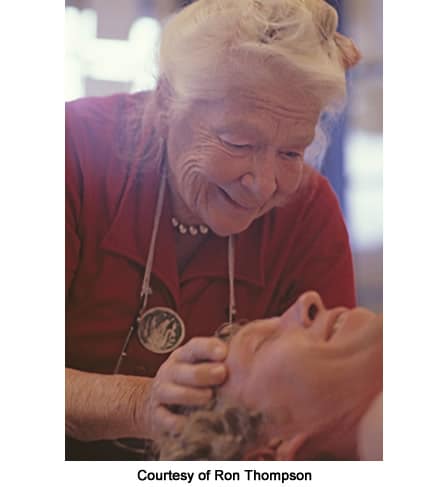
Structural Integration is a system of soft tissue mobilization and sensorimotor education that aims to balance the body’s biomechanics to optimize overall function. Rather than treating symptoms in isolation, Structural Integration realigns the body in gravity—improving posture, coordination, and movement capacity.
Originally developed by Dr. Ida P. Rolf, the method is typically delivered over a series of ten to twelve sessions. Each session targets specific biomechanical relationships within the body to promote integrated, whole-body change.
About The Rolf Research Foundation
We are the Ida P. Rolf Research Foundation, a 501(c)(3) nonprofit educational organization dedicated to advancing rigorous, evidence-based research into the health effects and therapeutic mechanisms of Structural Integration and education about research findings, methods, and skills. Our research services include consultation on research designs and proposals, crowd-funding campaigns for selected projects, and support for open access publication of findings in peer-reviewed scientific journals. Our approach to research education includes online courses and webinars, a newsletter, a searchable online library that includes all peer-reviewed studies, and an annual competition for best case studies.
Featured Research

Foundation Funded Research
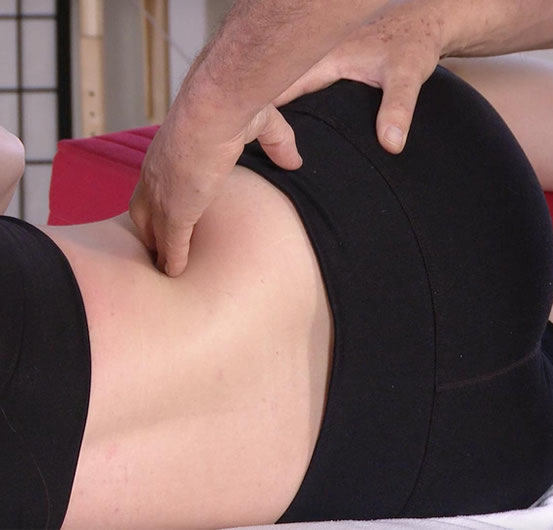
This research project measures the effects of Structural Integration on posture, pain, range of motion and soft tissue stiffness, contributing significantly to scientific knowledge about Structural Integration.
Latest Research Publication
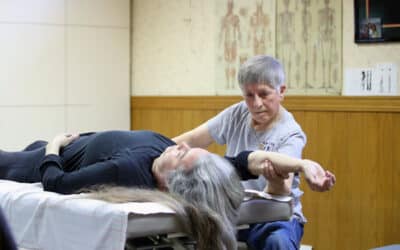
Rolfing® Structural Integration session data was recorded for more than 500 patients over 23 years. This data demonstrated an increase in range of motion, breathing capacity, and symmetry.

Past Funded Research
Structural Integration for chronic low back pain was a groundbreaking clinical study, analyzing comprehensive data on pain disability, psychology, balance, gait and blood biomarkers.
RESEARCH SUPPORT
Donate
The Foundation issues grants focusing on bringing together scientific, medical and related professionals with Structural Integration practitioners to explore, define, verify and expand the scientific basis of Dr. Rolf’s concepts and their role in improving the human condition.